Before Designing the Solution, Design the Conversation
Why business value starts with understanding the work—before assigning it to an AI coworker.
Imagine an AI coworker that drafts a proposal in minutes.
The team still takes two weeks to send it.
The drafting improvement may be worthwhile. But to understand its business value, we need to examine what happens before and after it. Perhaps essential information arrives late. Perhaps the proposal spends most of its time waiting for review.
This is a hypothetical example, but it captures a question I consider important when designing AI-enabled work:
Are we improving a task—or addressing the constraint that matters most to the outcome?
The answer often sits across several people. Those requesting, producing and approving the work may experience the same process differently.
A recent experience outside work reinforced this for me.
A familiar leadership challenge in a different setting
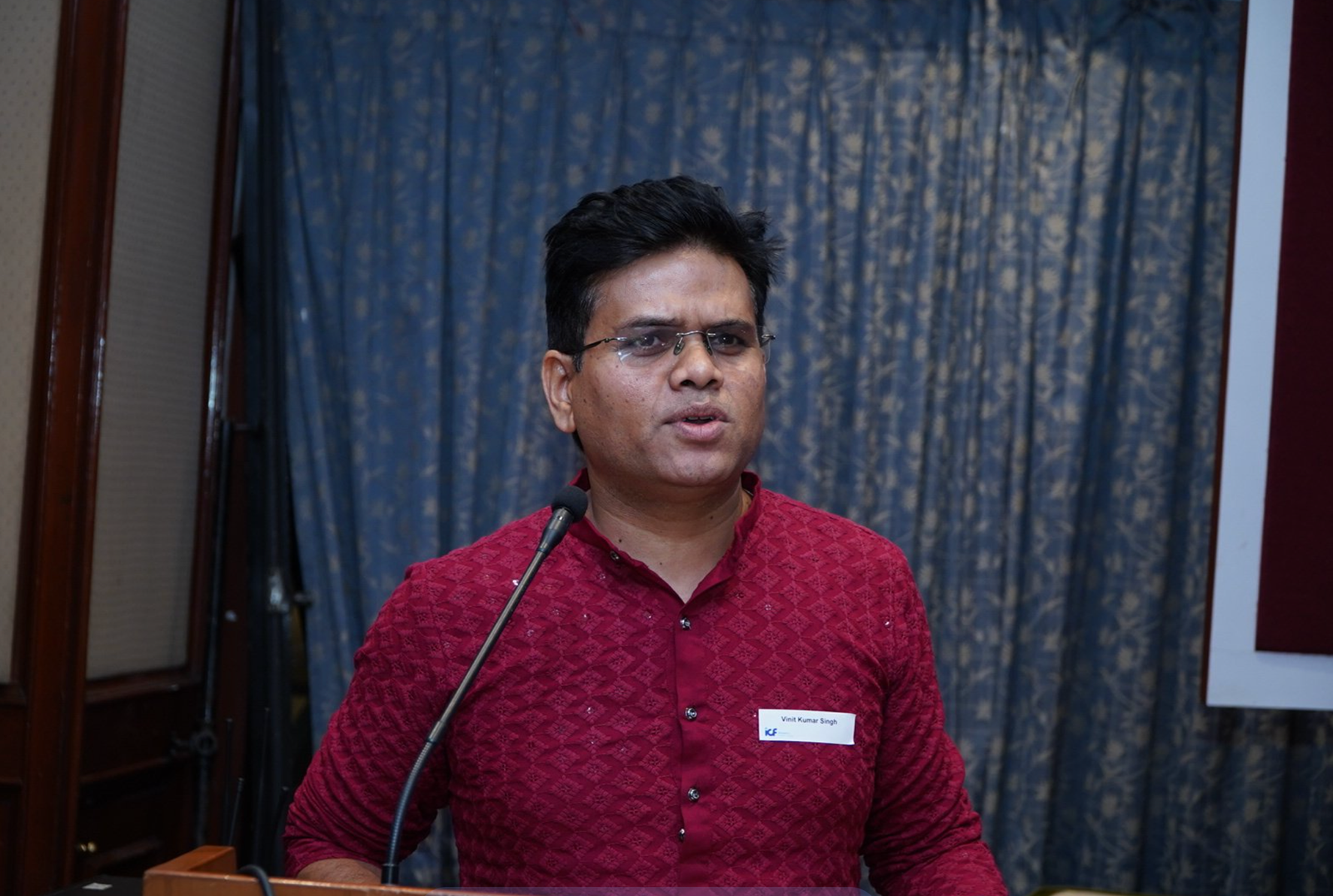
On 24 October, I facilitated my first World Café-inspired session at ICF Bengaluru.
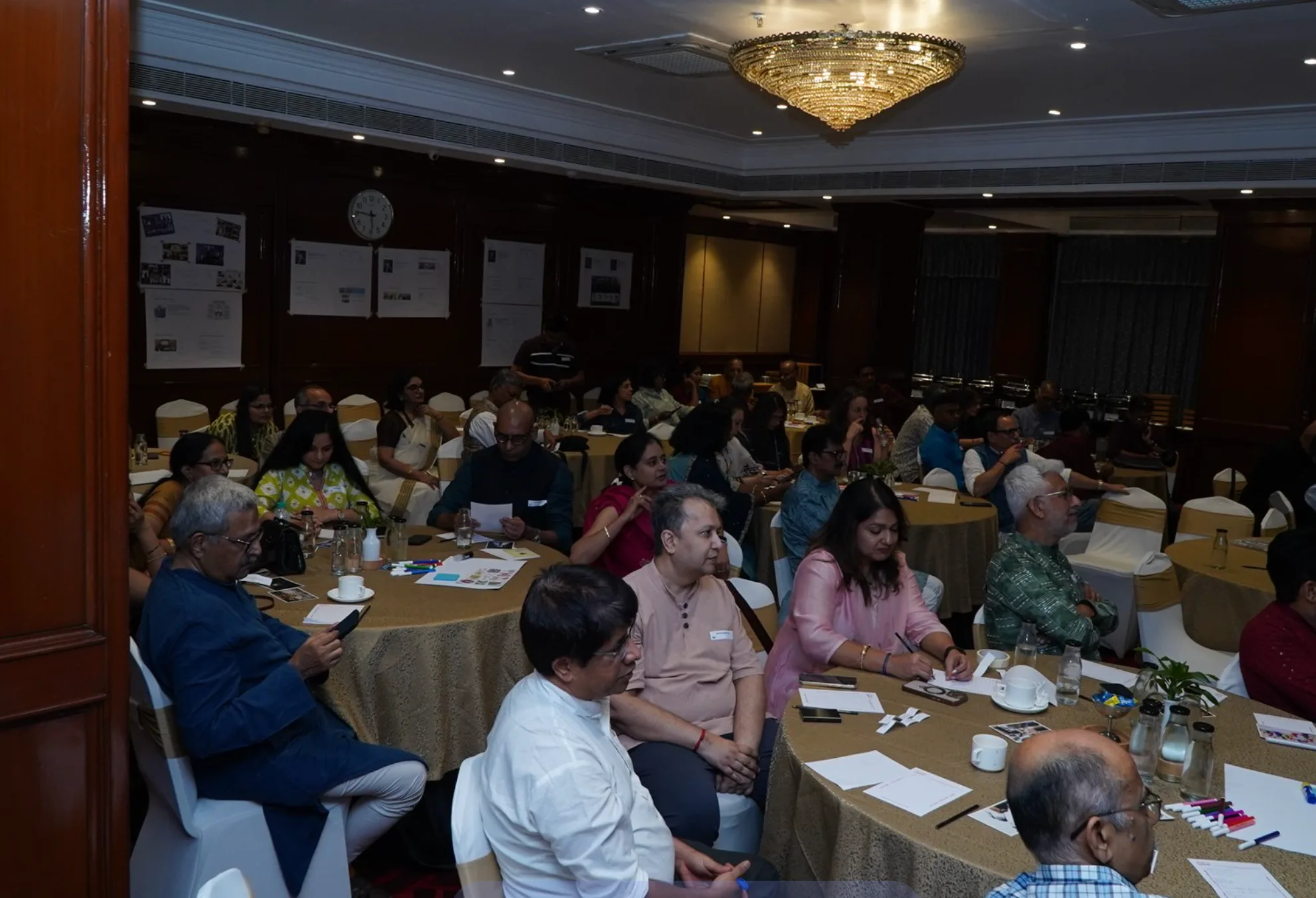
Our Coaching Café brought together coaches whose professional backgrounds spanned entrepreneurship, corporate leadership and other disciplines. The theme was “Co-creating our chapter: From Conversations to Possibilities.”
We wanted to understand what members needed and what they might create together.
Leading a large team involves working with different perspectives on priorities, challenges and what should happen next. This session brought that familiar responsibility into a different setting, using a format I was facilitating for the first time.
We drew inspiration from World Café, whose principles include exploring meaningful questions, encouraging contributions, connecting perspectives and sharing collective discoveries.
With one hour available, we adapted the format and did not carry out the planned table rotation. Participants contributed through table discussions, supported by table hosts, and report-backs brought perspectives into the wider room. Written sheets preserved the contributions for review.
The design involved more than selecting questions. We needed to make room for different voices, capture their meaning and establish what would happen to the input afterwards.
The request beneath the request
One suggestion surfaced across several conversations: create a marketplace connecting coaches with opportunities.
It was concrete enough to invite a technology discussion. We could have started with profiles, search, matching and enquiry workflows.
But reviewing the outputs afterwards, I found myself asking what different participants meant by “marketplace.”
Were they seeking greater visibility, more buyer demand or trusted introductions?
Those needs overlap, but they could require different responses.
Better profiles might improve discovery. They would not, by themselves, create demand. A referral process might help people make trusted introductions without requiring a new platform.
We had not established which problem mattered most or what response would be useful.
The conversations gave us a more precise set of questions to investigate before choosing what to build.
Begin with the business outcome
In an enterprise setting, this becomes a question of business value.
Whose work should improve? What outcome matters? What prevents that outcome today? What evidence would show an improvement?
Consider the proposal example again.
“Make drafting faster” directs attention towards content production.
“Reduce the time from a qualified request to an approved proposal” requires us to examine a wider workflow: requirements, information gathering, drafting, review and approvals.
Both objectives can be useful. They define different problems and may lead to different interventions.
The important step is to make that choice consciously. We should understand whether we are improving an individual task, the overall workflow or both.
A conversation across the people involved can help reveal the difference.
Before assigning work to an AI coworker
The language of an “AI coworker” brings role design into focus. Adobe’s public announcement of CX Enterprise Coworker, for example, describes coordinating AI agents and workflows around business objectives.
For me, that raises a practical leadership question: how clearly have we defined the contribution we expect?
In proposal development, sales may emphasise responsiveness. Delivery may focus on feasibility. Reviewers may need clearer evidence before making a decision.
Bringing those perspectives together helps establish what the AI coworker should undertake, what information it needs and when a person should review or take over.
It also helps determine how its contribution should be assessed.
Depending on the problem, measures could include turnaround time, review effort, rework and quality. Draft volume describes activity; it does not establish whether the broader workflow improved.
People remain accountable for defining those responsibilities and assessing the result.
The Café experience left me considering how the same discipline could inform human–AI workflows: gather relevant perspectives, examine the need and make the intended outcome explicit before assigning the work.
Give the conversation a route into execution
A room full of ideas still requires choices.
Each proposal needs time, attention and resources. Some deserve further investigation. Others may be ready for a small experiment.
This is where conversation connects with the operating model.
Who validates the input? Who decides what to pursue? Who owns the first deliverable? How will results reach the people who contributed?
Those responsibilities give participation a route into execution.
They matter equally when people and AI coworkers share work. Context, handoffs, review and accountability determine how an assigned task contributes to the outcome.
I would consider a Café-style approach when understanding of a challenge is distributed across people—for example, when exploring AI opportunities, examining difficult handoffs or understanding why an existing service is not being used as intended.
When the problem is already clear, a focused working session or experiment may be more useful. The format should serve the decision.
What I am carrying forward
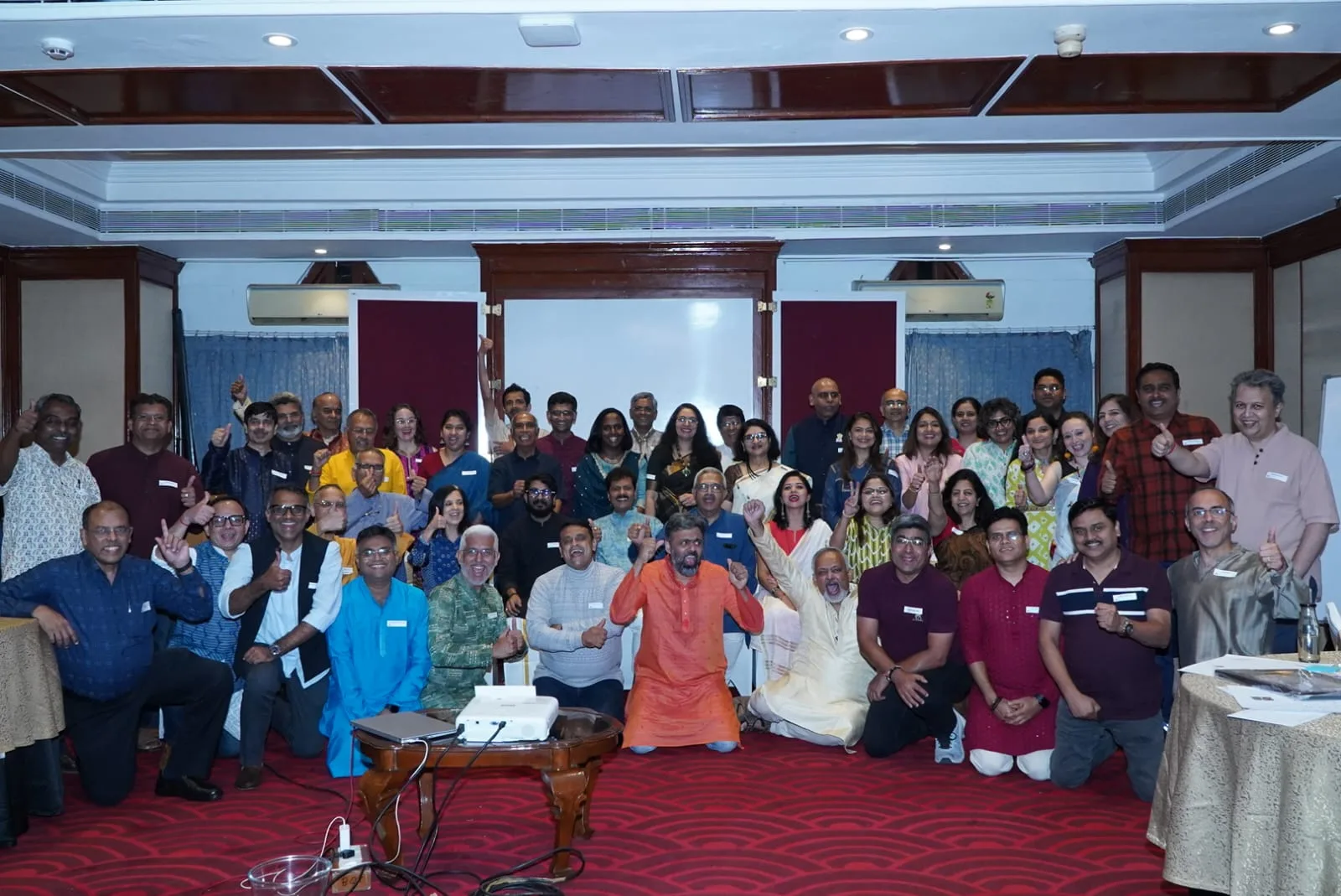
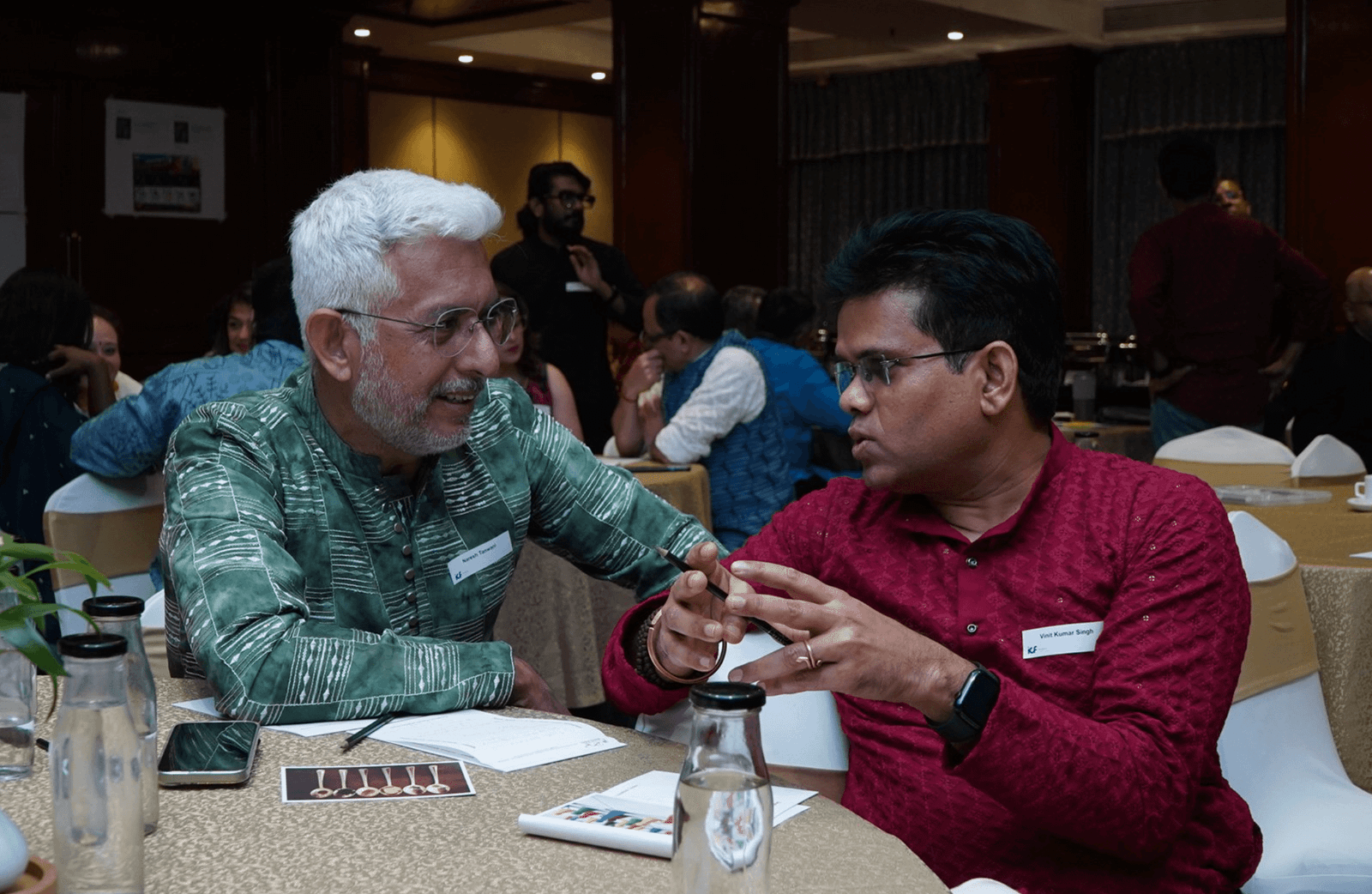
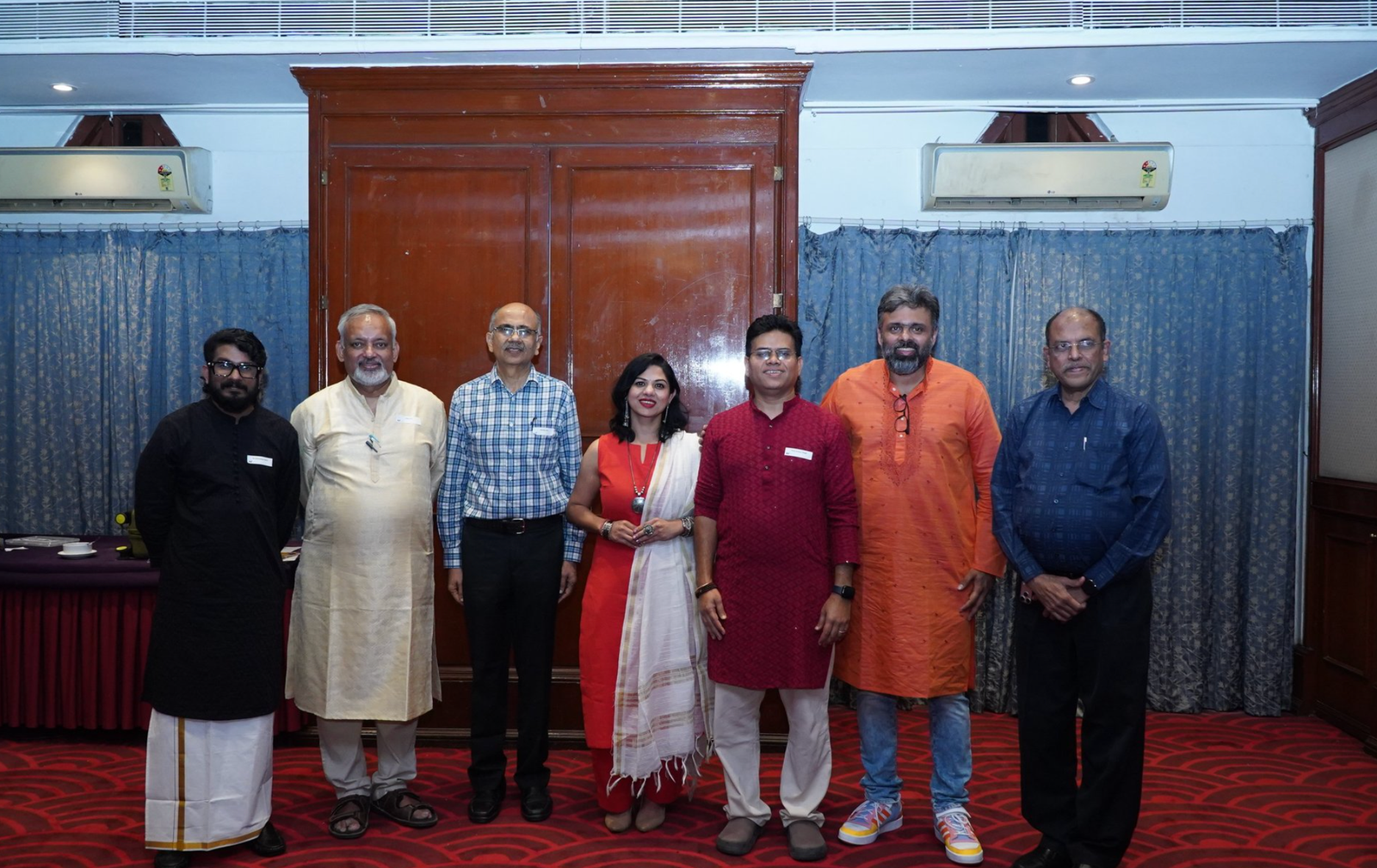
A special thank you to Sanyog Jain for his guidance in designing the session and for co-facilitating it with me, and to the ICF Bengaluru participants, Managing Committee and table hosts for their contributions and encouragement.
The experience reinforced the importance of designing how people contribute before deciding how to respond.
A useful conversation does not have to end with a fully formed solution. It can leave us better equipped to choose the next step.
Whether we are strengthening a professional community, redesigning a workflow or introducing an AI coworker, I would want that next step to make four things clearer:
- The problem: whose experience are we trying to improve?
- The outcome: what meaningful change are we seeking?
- The first test: what can we do to examine our assumptions?
- The owner: who is accountable for taking it forward?
That is how I see a conversation contributing to business value: helping us make a more informed commitment about what to change, then giving that commitment a path into action.
Before designing the solution, design the conversation.
These are personal reflections from a community facilitation experience. They do not represent the views of my employer.
Continue the conversation
Receive thoughtful, research-backed essays on strategy, leadership, AI and execution. New writing when there is something worth sharing.
Confirm your subscription by email. Unsubscribe at any time.
