Leadership Is a Craft. Are We Learning It Like One?
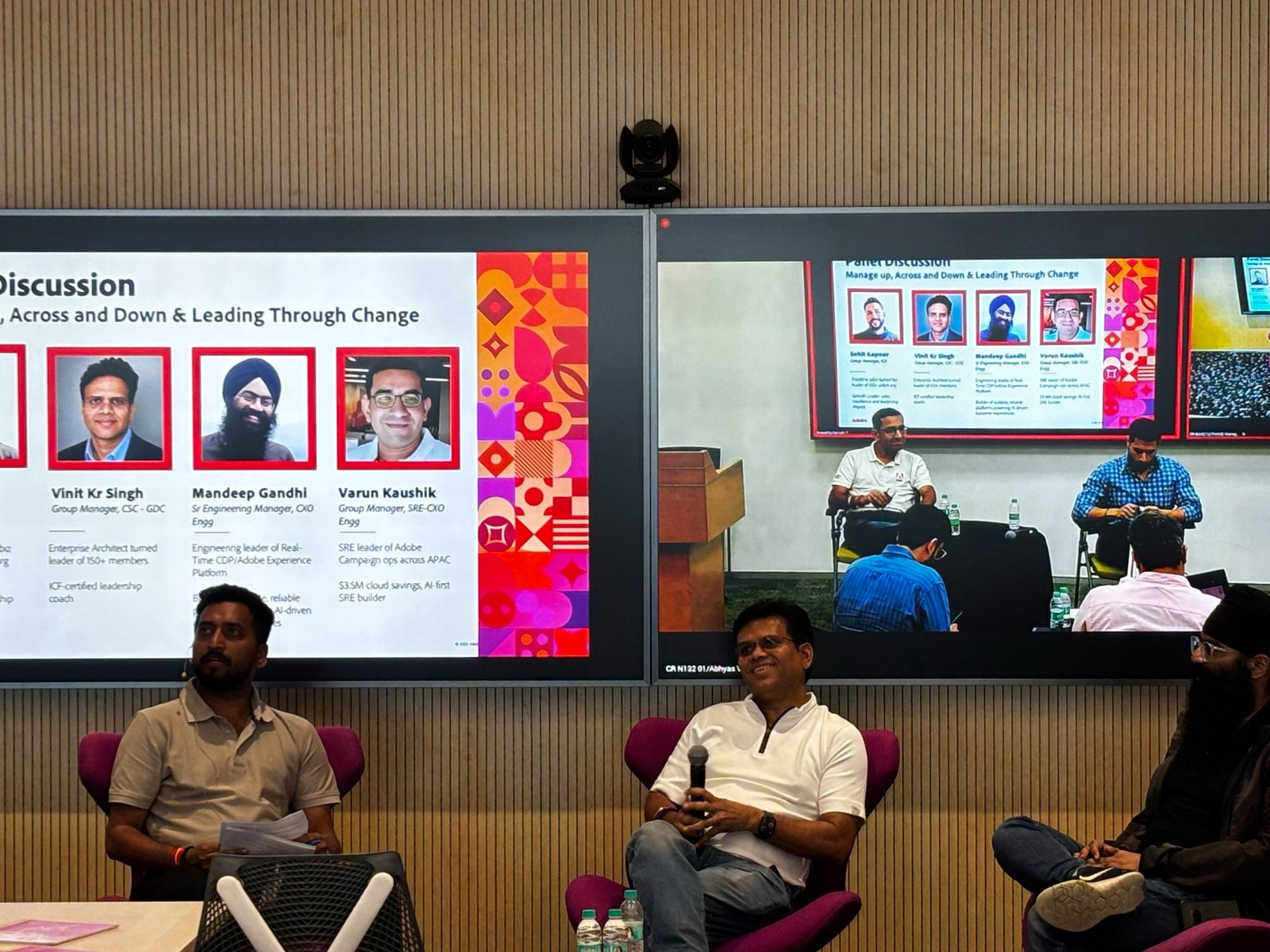
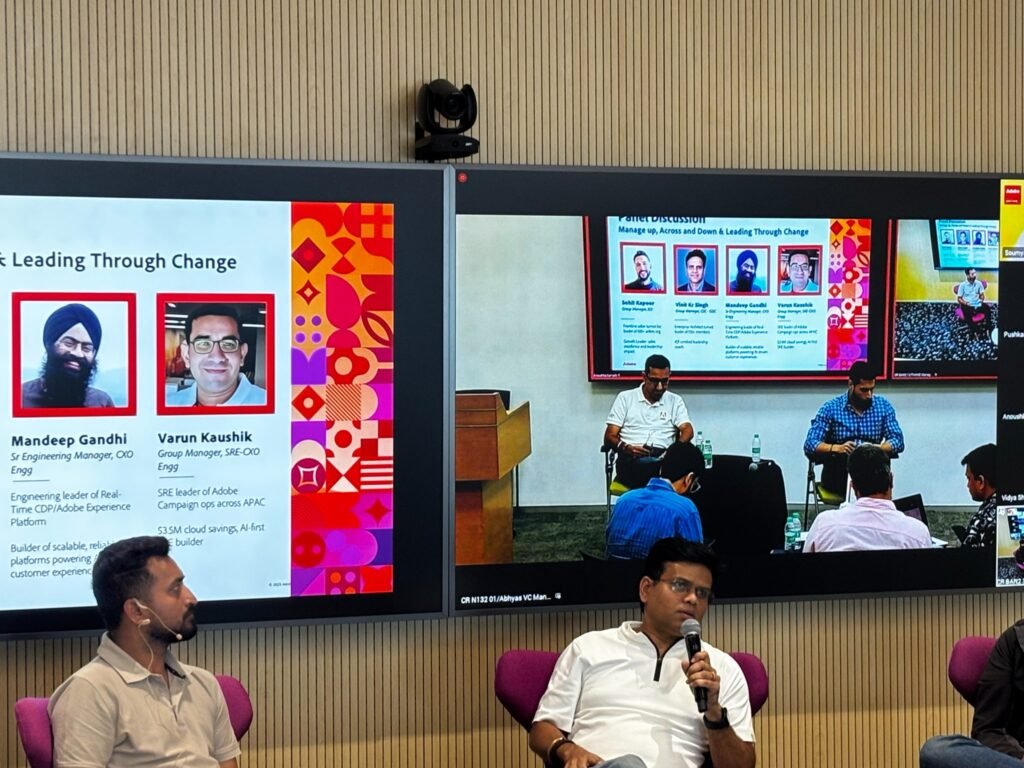
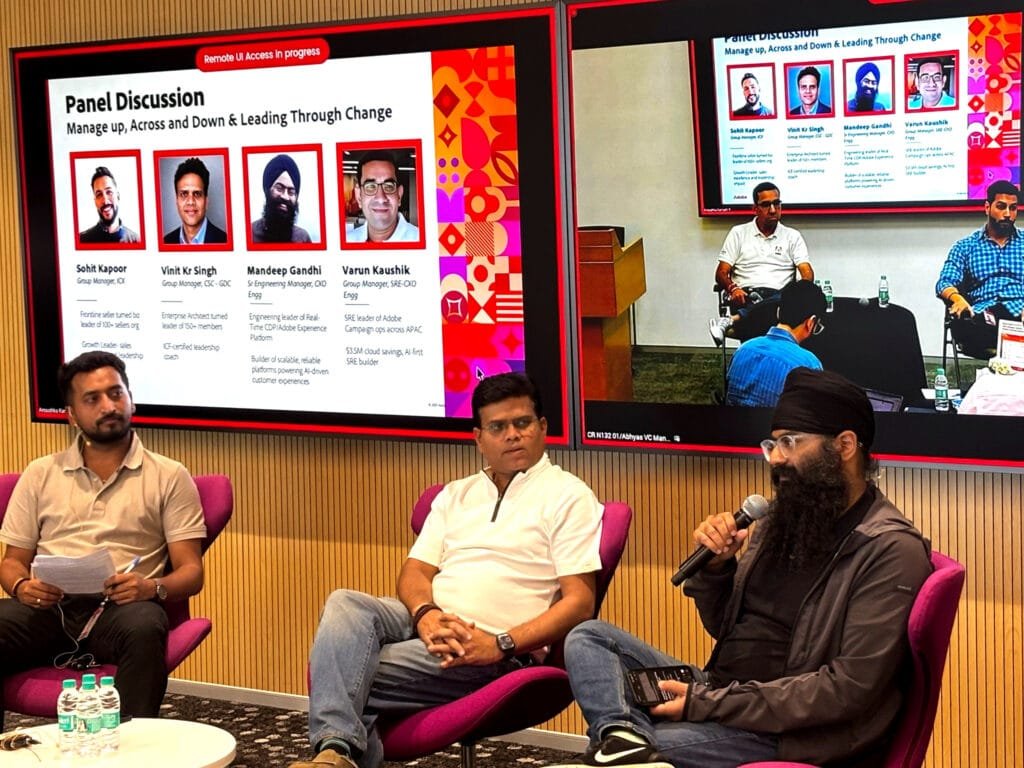
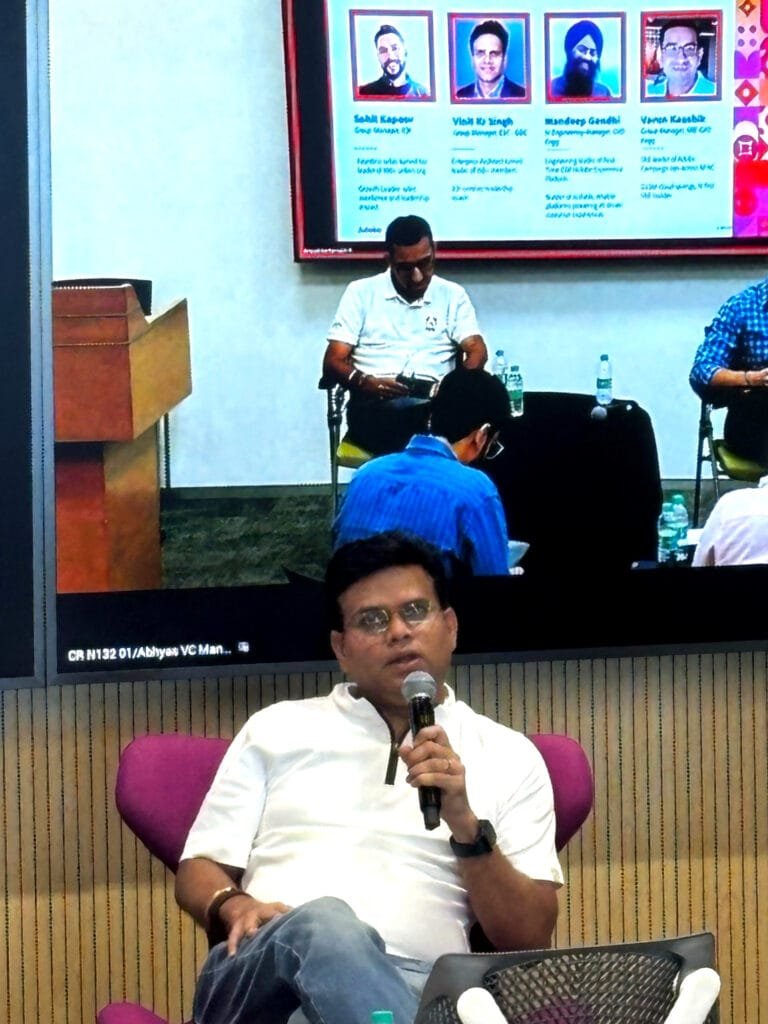
I recently had the opportunity to join a panel discussion at Adobe for new managers on managing up, across and down, and leading through change.
One of the questions took me back to my own first experience as a manager:
How do you balance getting the work done while managing people?
I learned that one the hard way.
When delivery was my definition of success
Early in my career, I moved from being a hands-on technologist and architect into a role where I was responsible for technology, delivery and people.
Things moved quickly. Within a relatively short period, I found myself responsible for a team of 80+ people while working through a major transformation.
And by the measure I understood best at the time, we were successful.
We delivered.
But I also received some difficult feedback.
I was effective at driving execution, but the way I was driving it was creating too much pressure on people.
The feedback was difficult to reconcile because, in my mind, the evidence said I was doing well. The work was getting done. My responsibilities had grown. We were achieving the outcomes expected of us.
It took me much longer, and feedback from people who had worked with me, to understand what I had missed.
I was managing people almost the same way I managed technical problems.
If I knew the answer, I gave it.
If something wasn’t moving, I pushed harder.
If I could solve something faster myself, I stepped in.
Looking back, those behaviors weren’t inherently wrong. Technical depth, urgency, high standards and a willingness to step in had contributed significantly to my success.
The problem was that I was using the same tools for almost every situation.
People required a different toolkit.
Clarity before autonomy
One of the most important things I’ve learned since then is that empowering people doesn’t mean being less clear about expectations.
Quite the opposite.
People need to understand:
- What are we trying to achieve?
- Why does it matter?
- What does good look like?
- Where do I have autonomy, and where should I involve others?
I’ve found that the clearer I am about the destination and expectations, the more freedom I can give people in determining how to get there.
That distinction matters.
If I give someone responsibility for an outcome and then tell them exactly how I would achieve it, I may have delegated the work, but I haven’t really delegated the thinking.
And developing that thinking is an important part of developing the person.
Relationships before you need them
Another lesson took me longer to understand:
You can’t lead someone effectively if your relationship with them exists only around their tasks.
Early in my management journey, many of my conversations naturally revolved around work.
- What’s the status?
- What’s blocked?
- What needs to happen next?
- When will it be done?
Those conversations are necessary. But they aren’t enough.
Over time, I became much more intentional about understanding the person behind the work.
- What motivates them?
- What are they trying to become?
- Where do they want to grow?
- What are they exceptionally good at?
- Where are they struggling?
- What do they need from me?
That investment in relationships changes almost everything else, particularly difficult conversations.
The same feedback can feel like pressure when it comes from someone who only appears when something has gone wrong. It can land very differently when it comes from a leader who has consistently invested in your growth and success.
Relationships don’t replace accountability. They create the trust that makes accountability more effective.
Ask before you tell
Coaching brought another significant shift in how I lead.
As an architect, having answers is valuable.
Experience gives you pattern recognition. Someone describes a problem and your brain immediately says:
I’ve seen this before.
The natural response is:
Here’s what you should do.
I’ve had to deliberately learn to hold that answer back.
Today, I try to start with questions:
- What do you think?
- What have you tried?
- What options do you see?
And one question I increasingly ask myself is:
Does this situation need my expertise, or does this person need the opportunity to build theirs?
Sometimes the answer genuinely is that they need my expertise.
Leadership isn’t about pretending you don’t know the answer. It is about being intentional about when your answer helps and when your answer takes away someone else’s opportunity to think.
Feedback without judging the person
Being supportive doesn’t mean avoiding difficult feedback.
People deserve clarity when something isn’t working.
What I’ve tried to change is separating the person from the behavior or outcome.
- What happened?
- What got in the way?
- What needs to change?
- What support is required?
- And what expectation needs to be clearer?
I can be non-judgmental about the person while still being direct about performance.
Some of the best coaching conversations I’ve experienced have combined genuine empathy with very clear expectations.
Expertise still matters
My journey hasn’t been from technologist to people person.
Nor do I believe becoming a manager means leaving behind the expertise that helped get you there.
Today, I lead a competency of 150+ people, and technical aptitude remains an important part of my role.
I need to understand technology, products and solutions. I need to engage with different kinds of leaders. I need enough depth to challenge assumptions, recognize good thinking and understand where our capabilities need to evolve.
But I’ve learned something important:
Having expertise doesn’t mean I always have to exercise it.
Sometimes the highest-value contribution I can make is an answer.
Sometimes it is a question.
Sometimes it is clear feedback.
Sometimes it is connecting the right people.
And sometimes it is simply getting out of the way.
So rather than constantly asking how much time I should spend “doing” versus “managing,” I increasingly ask:
Where will my involvement create the most leverage right now?
Earlier in my career, I often stepped in because I could.
Today, I try to step in when the team actually needs me to.
Leadership is a craft
The final question during our panel was:
If you could give your first-year manager self one piece of advice, what would it be?
My answer was simple:
Treat leadership as a craft you need to learn.
Early in my management journey, after some difficult experiences and feedback, I spent many years primarily on the individual-contributor path.
At the time, part of me concluded:
Maybe management isn’t for me.
What I understood much later was that whenever I needed to learn a new technology, I approached it deliberately.
I studied it. I practiced. I found people who knew more than I did. I invested in becoming better.
But somehow, I had assumed leadership would come naturally with experience.
It doesn’t quite work that way.
I eventually became much more intentional about learning communication, coaching, feedback and leadership itself.
Toastmasters influenced how I communicate and connect with people. My journey into professional coaching fundamentally changed how I listen, ask questions and create space for others to think.
Looking back, I don’t think one leadership technique changed things for me.
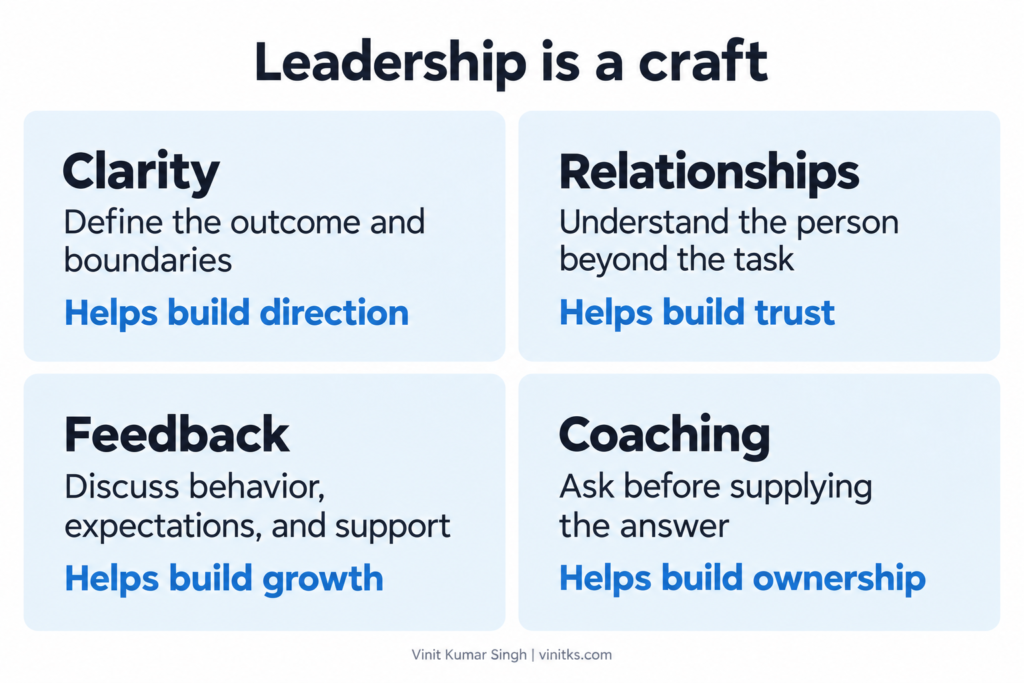
Clarity creates direction. Relationships create trust. Feedback enables growth. Coaching builds ownership.
Technical expertise still matters, but it needs to be applied intentionally rather than instinctively.
Perhaps the biggest shift has been in how I measure my own success.
From:
How much can I personally accomplish?
to:
What can the people around me become capable of accomplishing?
That remains a work in progress, as leadership probably always should be.
Why investing in new managers matters
This is also why I genuinely appreciate Adobe investing in experiences like this for new managers.
Many of us became managers almost overnight. I certainly did.
One day you’re being recognized for your expertise and individual contribution. The next, you’re responsible for the performance, motivation, development and growth of other people, often without having been formally prepared for that transition.
And when a manager has to learn entirely through trial and error, the cost isn’t borne by the manager alone. The people they lead experience that learning curve too.
That’s why structured investment in new managers matters.
Leadership and management shouldn’t be things we simply expect people to pick up after a promotion. Giving new managers opportunities to learn, reflect, hear candid experiences, ask questions and develop skills such as coaching and feedback can make that transition much more intentional.
A big thank you to Ankit Dubey, Anoushka Kamath and the Adobe Employee Experience team for thoughtfully creating that space.
And thank you to my fellow panelists Sohit Kapoor, Mandeep Gandhi and Varun Kaushik for bringing their own experiences and perspectives to the conversation.
If your organization is investing in helping you become a better manager, make the most of it.
You can learn many of these lessons through experience. I certainly did.
But some lessons are considerably more expensive than others.
Learn leadership with the same seriousness with which you learned your craft.
Continue the conversation
Receive thoughtful, research-backed essays on strategy, leadership, AI and execution. New writing when there is something worth sharing.
Confirm your subscription by email. Unsubscribe at any time.
